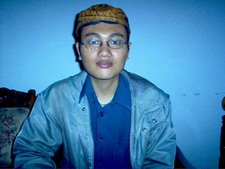
meeting prof ting2
mlm kls bhs cina
allahuakbar
just put any comment on my blog
Berikut adalah langkah-langkah untuk mengajar EFL (English as a Foreign Language) dengan teknik scaffolding secara efektif:
Lakukan diagnosis awal untuk mengetahui kemampuan bahasa Inggris siswa.
Tentukan zona perkembangan proksimal (ZPD) siswa: apa yang bisa mereka lakukan dengan bantuan.
Rumuskan tujuan spesifik untuk keterampilan bahasa (listening, speaking, reading, writing).
Sesuaikan dengan kemampuan dan tantangan yang realistis bagi siswa.
Guru memberikan contoh konkret atau demonstrasi tugas.
Gunakan think-aloud (berpikir dengan suara keras) untuk menunjukkan proses berpikir saat menyelesaikan tugas.
Bantu siswa dengan pertanyaan pemandu, visual aid, sentence starters, atau kosakata kunci.
Latihan dilakukan secara berkelompok atau berpasangan agar siswa saling mendukung.
Gunakan diskusi berstruktur, role play, atau task-based activities untuk melibatkan siswa aktif menggunakan bahasa.
Berikan umpan balik langsung dan membangun.
Secara bertahap kurangi bantuan seiring siswa menjadi lebih mandiri.
Arahkan siswa untuk mengoreksi diri sendiri atau saling memberi masukan.
Evaluasi hasil pembelajaran secara formatif dan sumatif.
Ajak siswa untuk merefleksikan kemajuan dan proses belajar mereka.
| Aktivitas | Dukungan Awal | Mandiri |
|---|---|---|
| Menulis paragraf | Guru memberi kerangka paragraf dan contoh kalimat | Siswa menulis paragraf sendiri berdasarkan topik baru |
| Speaking | Role play dengan dialog tertulis | Role play bebas tanpa teks |
IBL (Inquiry-Based Learning) in EFL (English as a Foreign Language) classes is beneficial for several reasons:
IBL encourages students to ask questions, explore topics, and discover answers themselves, which helps them engage more deeply with the English language rather than passively receiving information.
Students must communicate ideas, ask questions, and collaborate with peers—boosting their speaking, listening, reading, and writing skills in real contexts.
Learners are challenged to analyze, synthesize, and evaluate information, which aligns with higher-order thinking skills necessary for language mastery.
IBL often involves real-world problems or scenarios, providing meaningful contexts for language use, which helps with vocabulary retention and fluency.
Students take ownership of their learning process, increasing motivation and responsibility in learning English.
Encourages collaboration, problem-solving, and digital literacy—skills essential for learners in the modern world, especially in multilingual and multicultural environments.
The Taiwan Assessment and Evaluation Association (TWAEA) is a prominent non-profit organization in Taiwan, established in 2003, dedicated to the development and promotion of evaluation knowledge and techniques. It serves as a professional evaluation agency recognized by the Ministry of Education (MoE) and has been actively involved in quality assurance for higher education institutions, both domestically and internationally.apqn.org+1onesqa.or.th+1tirc.twaea.org.tw+3TWAEA大專校院品保系統+3onesqa.or.th+3
TWAEA's core missions encompass:
Promoting evaluation knowledge and techniques.
Engaging in research and development of evaluation methodologies.
Providing evaluation services and consultations.
Conducting evaluations commissioned by various organizations.
Hosting academic conferences and symposia on evaluation topics.
Assisting organizations in implementing evaluation projects.
Engaging in other evaluation-related affairs. TWAEA大專校院品保系統+2apqn.org+2onesqa.or.th+2
TWAEA offers a comprehensive range of services, including:
Higher Education Quality Certification: Assisting institutions in developing self-improvement systems and characteristics through third-party assessments.
Program Accreditation: Evaluating degree-granting programs to understand teaching quality and assist in developing quality improvement mechanisms.
International Joint Accreditation: Collaborating with international organizations to promote cross-border quality assurance.
General Education Teaching Quality Assurance Program: Enhancing the quality of general education teaching in universities.
International Surveys: Conducting surveys to understand educational development in emerging higher education hubs in Asia.
Consultation and Training: Providing guidance, workshops, and seminars to institutions and evaluators.TWAEA大專校院品保系統+2TWAEA大專校院品保系統+2TWAEA大專校院品保系統+2TWAEA大專校院品保系統+1TWAEA大專校院品保系統+1TWAEA國際領航平台tirc.twaea.org.twTWAEA國際領航平台
TWAEA's organizational structure includes:
Chairman: Dr. Chi-Yeh Yung
Assistant Project Manager: Ms. Patty Tsai
Secretariat: Led by the Secretary-General, overseeing full-time staff across various divisions, including Business, Projects, International Affairs, and Administration and Accounting. apqn.org
The association's board comprises directors and supervisors from diverse fields, including academia, government agencies, and the business sector, ensuring a multidisciplinary approach to evaluation.
TWAEA's evaluation process is designed to be transparent and systematic, typically involving:
Self-Evaluation: Institutions conduct internal assessments to identify strengths and areas for improvement.
On-Site Visits: TWAEA organizes visits by expert panels to validate self-evaluation reports and engage with institutional stakeholders.
Public Reporting: Evaluation results are published online, promoting transparency and accountability.
Follow-Up Measures: Institutions are encouraged to implement improvement plans based on evaluation outcomes.
TWAEA ensures the independence of its evaluations, with judgments and recommendations not subject to alteration by third parties. apqn.org
TWAEA's program evaluations focus on several key aspects:
Educational Goals and Characteristics: Assessing the clarity and distinctiveness of program objectives.
Curriculum Planning and Execution: Evaluating the design and implementation of curricula to meet educational goals.
Faculty Quality and Teaching Effectiveness: Reviewing faculty qualifications, teaching methods, and student outcomes.
Learning Resources and Support Measures: Examining the availability and effectiveness of learning materials and student support services.
Administrative Organization and Self-Improvement Mechanisms: Analyzing the efficiency of administrative structures and commitment to continuous improvement. tirc.twaea.org.tw
The evaluation process includes expert consultation, document review, improvement adjustments, and on-site visits, aiming to assist institutions in establishing quality improvement mechanisms and strengthening their unique characteristics. TWAEA大專校院品保系統
TWAEA's commitment to quality assurance in higher education is further evidenced by its active participation in international networks, such as the International Network for Quality Assurance Agencies in Higher Education (INQAAHE) and the Asia Pacific Quality Network (APQN). Notably, in August 2024, TWAEA became the first organization worldwide to earn INQAAHE ISG certification, highlighting its outstanding contributions to international higher education quality assurance. TWAEA國際領航平台
For more detailed information, you can visit TWAEA's official website: https://www.twaea.org.tw.

Berikut adalah jalan menuju wirausaha sukses, yang bisa dijadikan panduan umum bagi siapa pun yang ingin membangun usaha sendiri:
Pilih ide yang sesuai dengan minat, keahlian, dan potensi pasar.
Lakukan riset pasar: apakah produk/jasa dibutuhkan?
Amati tren dan masalah yang bisa dipecahkan lewat bisnis.
Pelajari dasar-dasar kewirausahaan: manajemen, pemasaran, keuangan.
Ikuti pelatihan, baca buku, tonton seminar/webinar.
Belajar dari pengalaman orang lain (mentor, komunitas bisnis).
Tujuan usaha
Target pasar
Strategi pemasaran
Rencana keuangan
Proyeksi pertumbuhan
Gunakan dana pribadi, keluarga, investor, atau pinjaman.
Pertimbangkan skala kecil dulu untuk meminimalkan risiko.
Luncurkan versi awal produk/jasa (minimum viable product).
Kumpulkan umpan balik dari pelanggan awal.
Perbaiki dan sesuaikan sesuai kebutuhan pasar.
Gunakan media sosial, marketplace, dan strategi digital marketing.
Bangun branding yang kuat dan pelayanan pelanggan yang baik.
Jalin relasi dan promosi lewat komunitas atau kolaborasi.
Pantau keuangan secara berkala.
Lihat apa yang berhasil dan apa yang perlu diperbaiki.
Inovasi terus: tambah produk, ekspansi pasar, atau model bisnis baru.
Berani ambil risiko, tapi tetap realistis.
Tahan banting saat gagal, tetap belajar dan bangkit lagi.
Disiplin, konsisten, dan mau berkembang.